Xiangxian Li 李象贤
Researching multimodal intelligence, robust learning, and human-centered interaction.
About Me
I am currently a specially funded postdoctoral researcher at the School of Airspace Science and Engineering, Shandong University (SDU). I received my Ph.D. degree in Engineering from the School of Software, SDU, in June 2024, under the supervision of Prof. Xiangxu Meng, with Prof. Lei Meng as my co-advisor. Before that, I worked on intelligent recommendation algorithms for user interface elements under the supervision of Prof. Chenglei Yang, and I received my Bachelor’s degree from Huazhong University of Science and Technology (HUST) in June 2018.
My research interests lie in multimedia computing and intelligent human-computer interaction. I aim to develop intelligent systems capable of robust perception, understanding, interaction, and execution in complex and open environments. Specifically, my work focuses on multimodal robust representation learning under data-scarce and long-tailed conditions, user intention modeling in complex interactive scenarios, and embodied navigation and interaction in open environments. My research has been applied to scenarios such as in-vehicle interaction, UAV navigation, hematologic tumor early warning, dietary image analysis, and legal document inspection.
My research story centers on building multimodal systems that stay reliable when data are scarce, incomplete, or long-tailed, and that can better understand user intention in complex human-centered scenarios.
Research Highlights
Multimodal Robust Representation Learning
Learning stable representations when data are scarce, noisy, incomplete, or long-tailed, so models remain useful in realistic settings.
User Intention Modeling
Inferring user goals and behavior in complex interactive scenarios to make systems more responsive, interpretable, and human-centered.
Embodied Navigation and Interaction
Building systems that can perceive, navigate, and interact in open environments, especially when the scene and task keep changing.
Applied Multimodal Intelligence
Translating core methods into practical systems for healthcare, transportation, and document understanding.
Collaboration
I will complete my postdoctoral research this winter and am looking forward to a faculty position. I am also always looking for visiting scholar opportunities.
I am always happy to swap ideas or start a project together in multimodal learning, human-computer interaction, and embodied intelligence, especially when the problem is messy, real, and a little fun to untangle.
News
- [Aug. 2026] I participate HHME 2026 in Changsha.
- [Aug. 2026] Paper about Text-to-Video Retrieval and CoT is accepted by CJE.
- [Jul. 2026] Paper about Child-Oriented AIGC Video Risk Reviewing is accepted by MM 2026.
- [Jun. 2026] I participate ICME 2026 in Bangkok.
- [Jun. 2026] Paper about Pain Relief through Interactive Electrotactile Stimulation is accepted by IMWUT.
- [May. 2026] I participate CCIG 2026 in Guangzhou.
- [Mar. 2026] Paper about Mitigating VR Motion Sickness is accepted by IEEE VR 2026.
- [Nov. 2025] I participate EMNLP 2025 in Suzhou.
- [Oct. 2025] I participate ACM MM 2025 in Dublin and present for our paper.
- [Aug. 2025] Our 2 papers are accepted by EMNLP 2025.
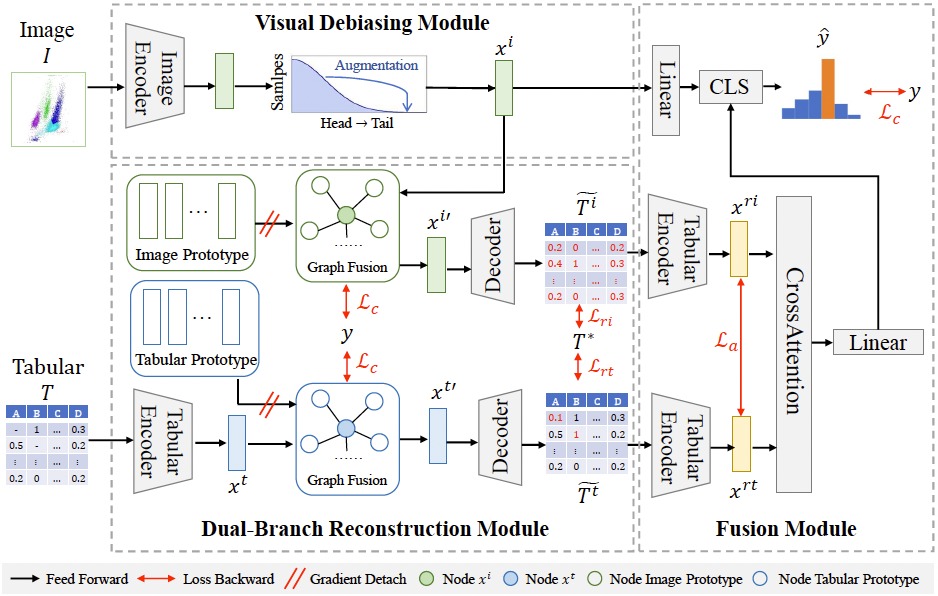
- [Aug. 2025] paper about Cross-modal Incomplete Tabular Reconstruction is accepted by JSCI.
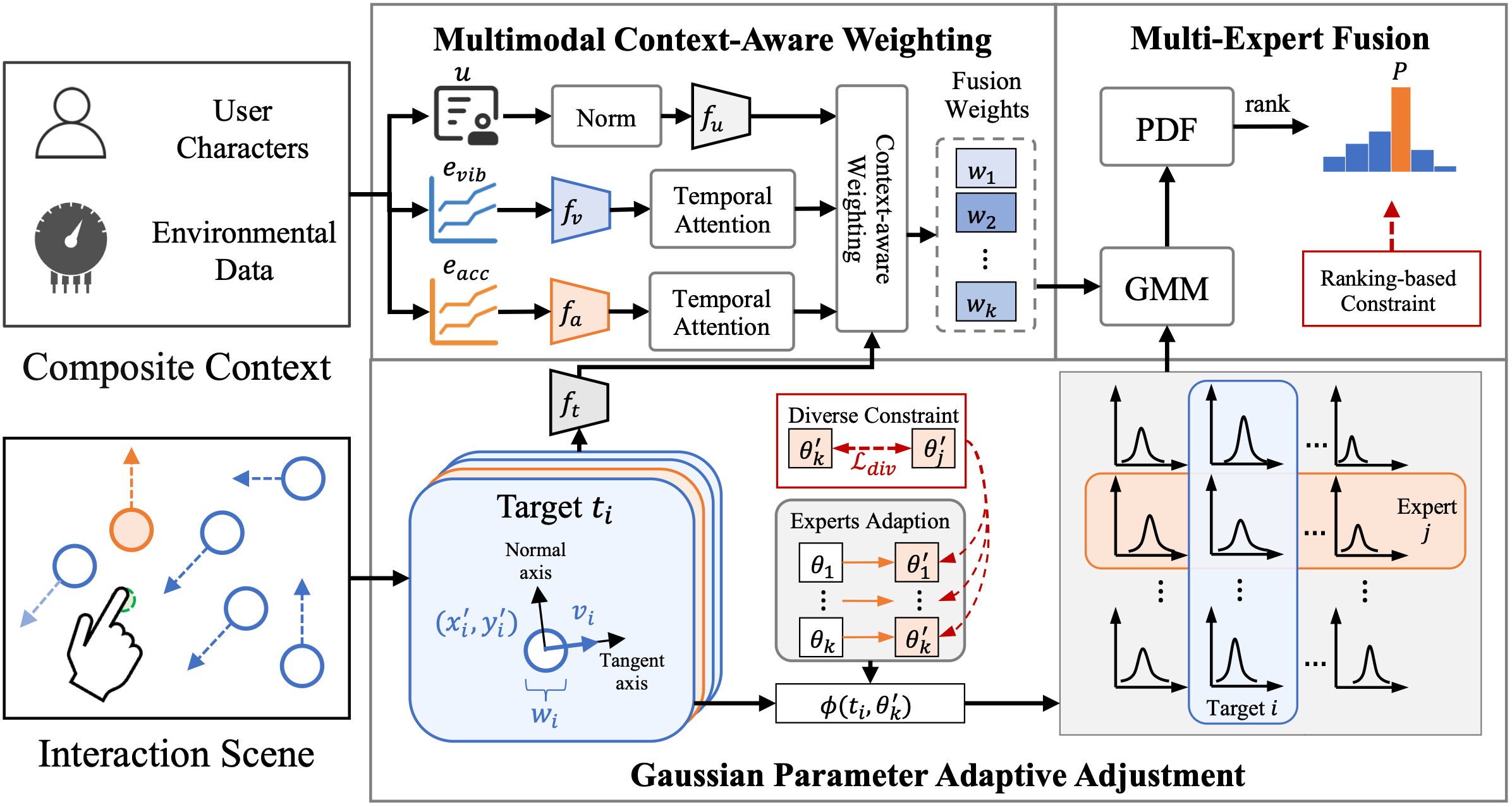
- [Aug. 2025] Paper about Multimodal Adaptive Gaussian Networks for Intent Inference is accepted by MM 2025.
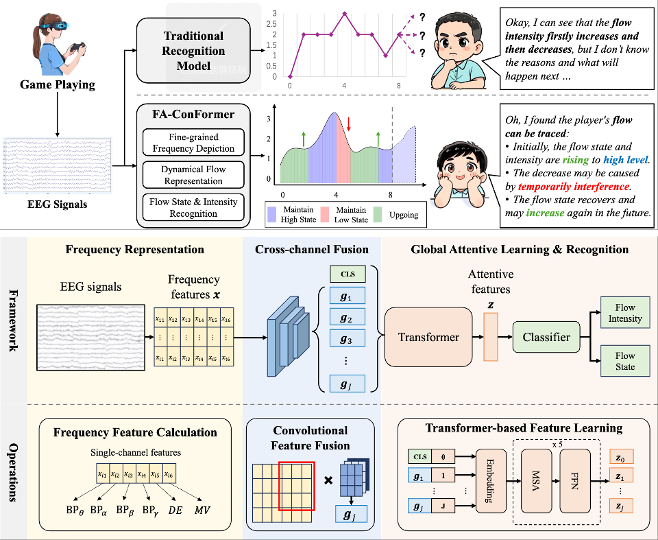
- [Jul. 2025] Paper about Dynamic Flow Assessment with EEG Signal is accepted by UIST 2025.
- [Feb. 2025] Paper about Reviewing of Computing Flow Experience is accepted by CHI Conference 2025.
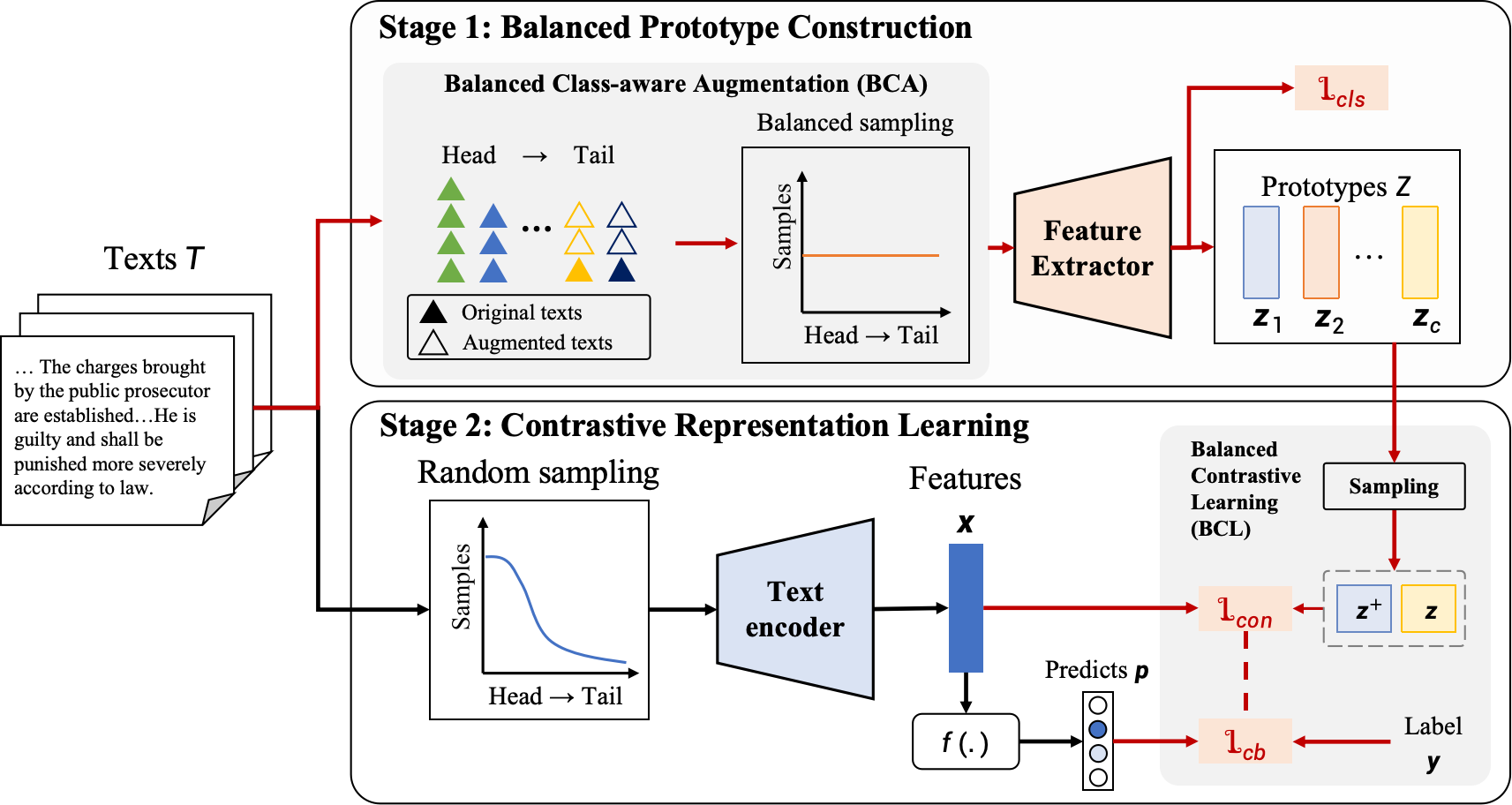
- [Feb. 2025] Paper about Balanced Contrastive Learning in Criminal Motive Classification is accepted by EPJ Data Science.
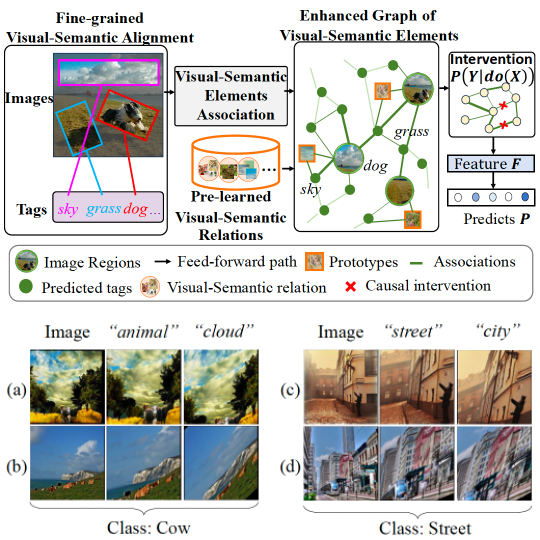
- [Dec. 2024] Paper about Causal Inference on Visual-Semantic Graph is accepted by AAAI 2025.
- [Dec. 2024] Paper about ASD Stereotyped Movement Recognition is accepted by JBHI.
- [Nov. 2024] I join the School of Mechanical, Electrical & Information Engineering, Shandong University as a postdoctoral researcher.
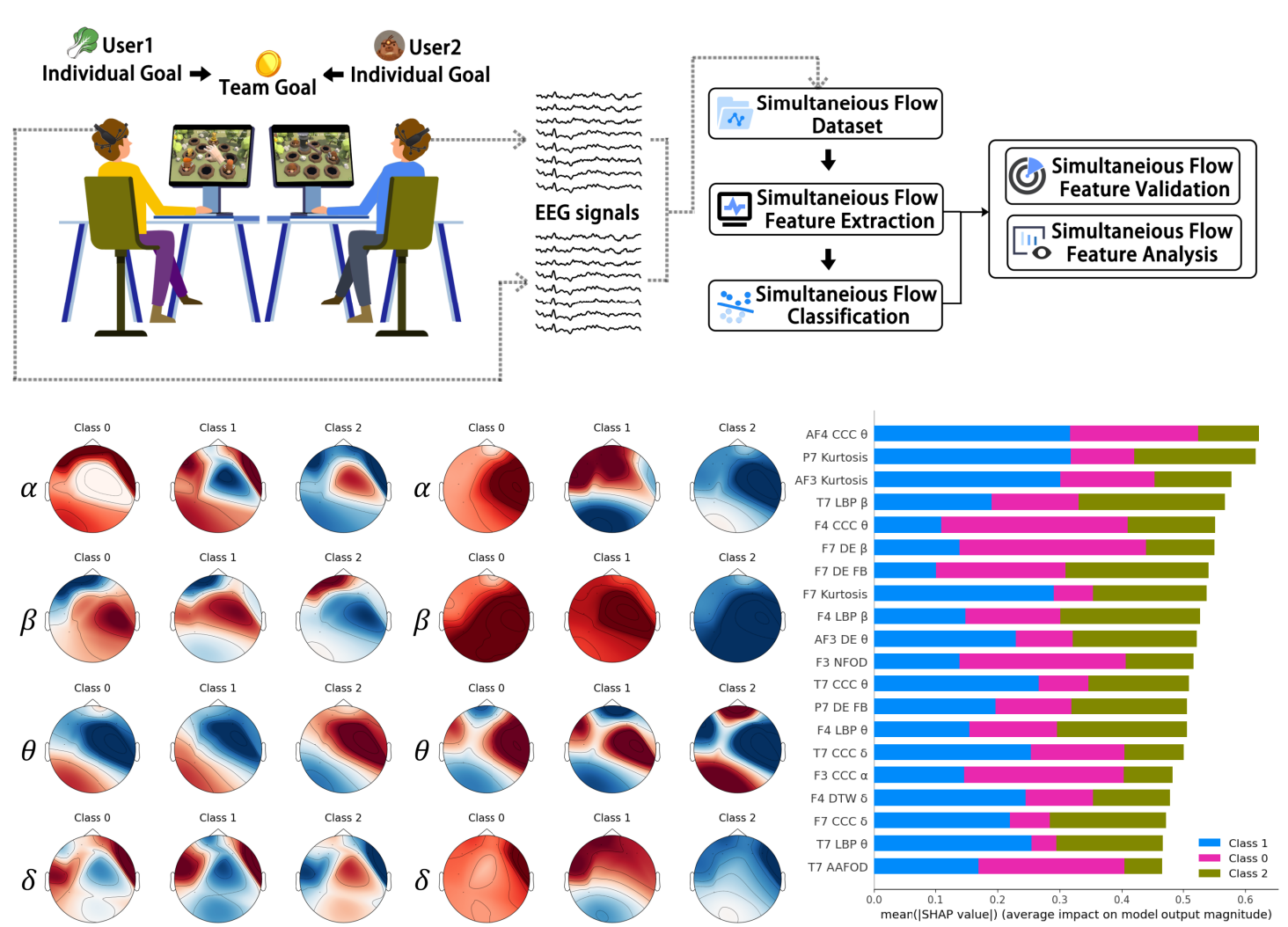
- [Sep. 2024] Paper about Detecting Simultaneous Flow is accepted by UbiComp/IMWUT.
- [Jun. 2024] I am graduated from Shandong University.
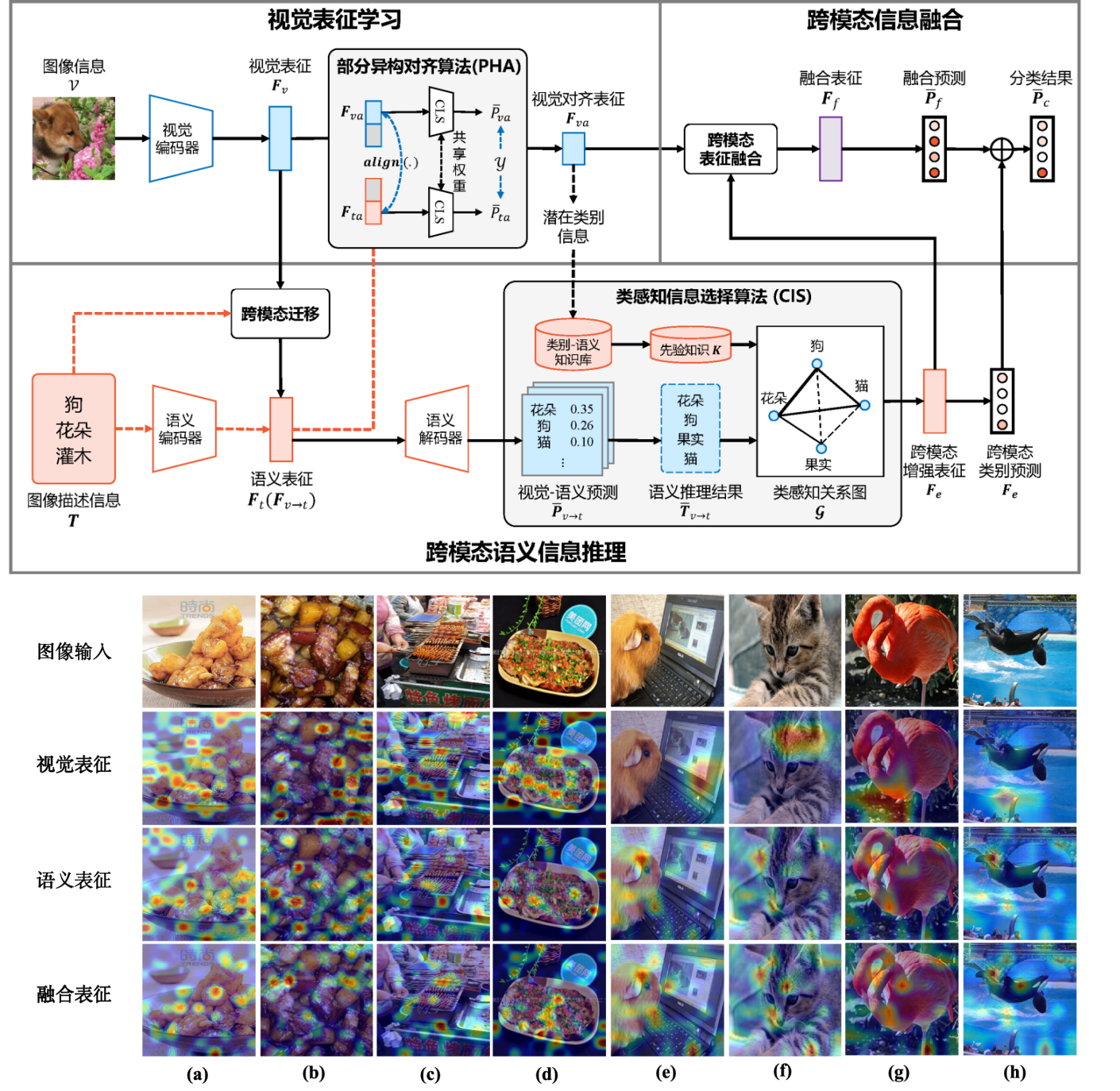
- [Sep. 2023] Paper about Cross-modal Inference is accepted by Journal of Software.
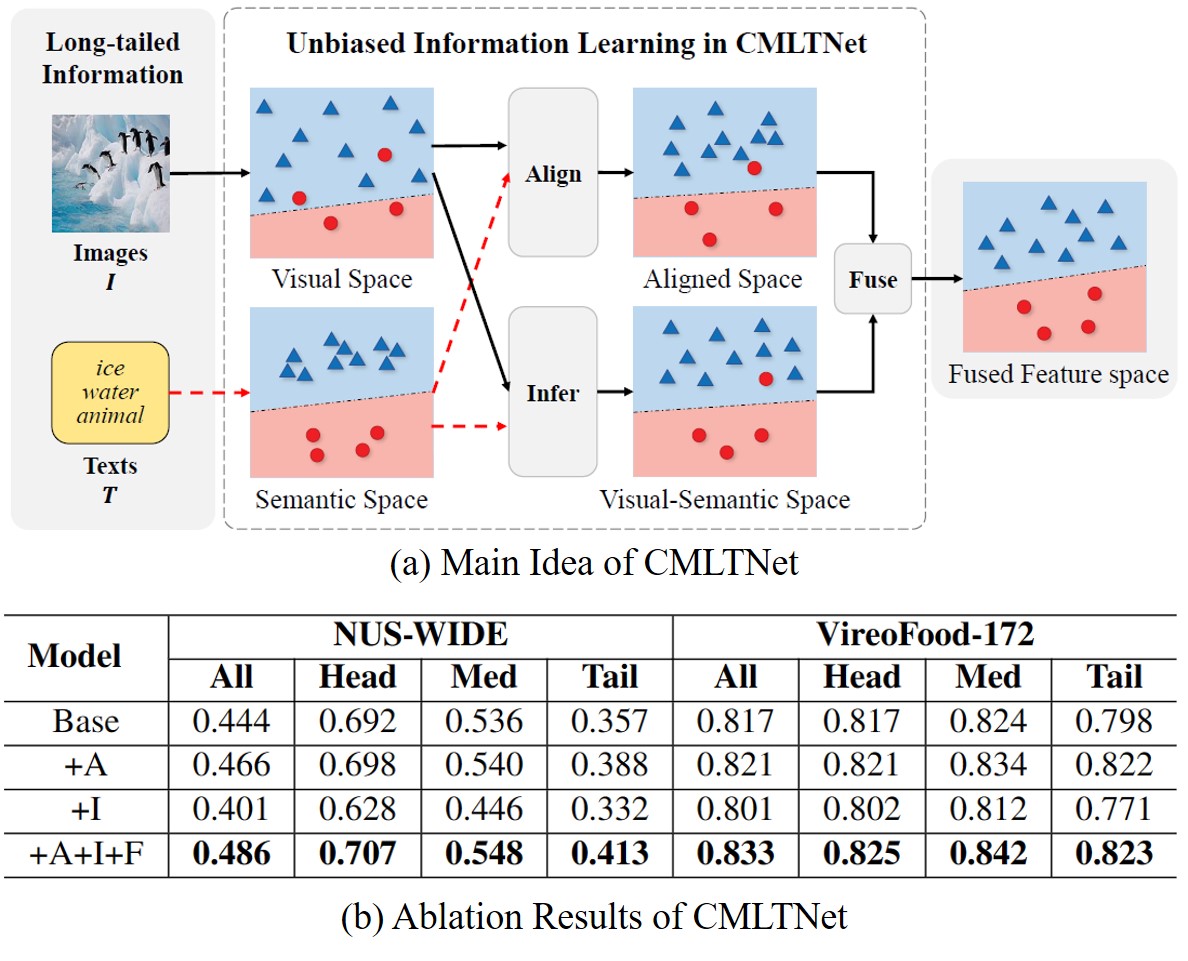
- [Apr. 2023] Paper about Cross-modal Long-tailed Classification is accepted by CVM.
- [Oct. 2023] Our team win the Jury Award in the track 2 of Nico challenge 2022 competition.
- [Oct. 2021] I make a presentation for paper about Long-tailed Adversarial Training.
- [Oct. 2021] l participate in ACM MM 2021.
- [Sep. 2018] I start to study as a Ph.D. student at the School of Software, Shandong University.
Selected Publications
-
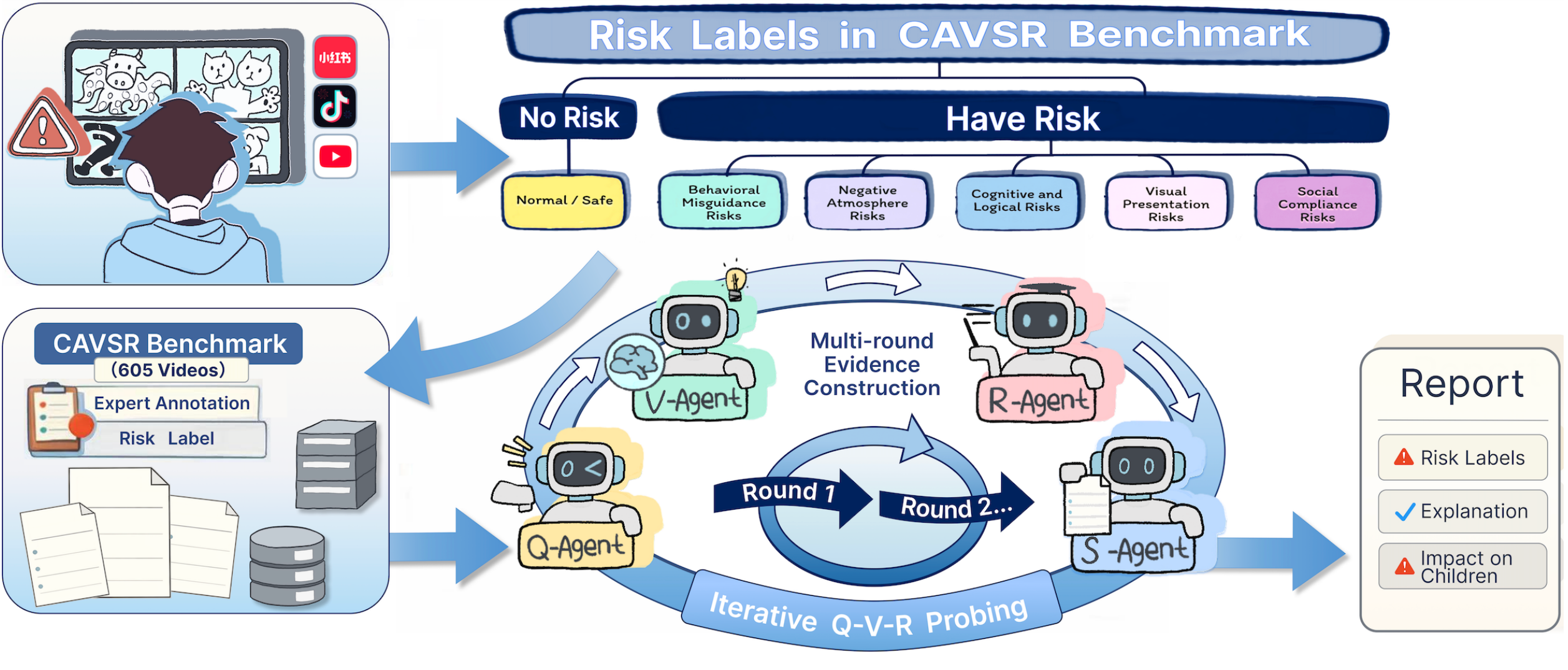 ACM MM
Multimodal HCIACM International Conference on Multimedia, 2026
ACM MM
Multimodal HCIACM International Conference on Multimedia, 2026What we do
Uses a benchmark plus iterative reasoning so the system can inspect child-oriented videos and explain why a clip may be risky.
-
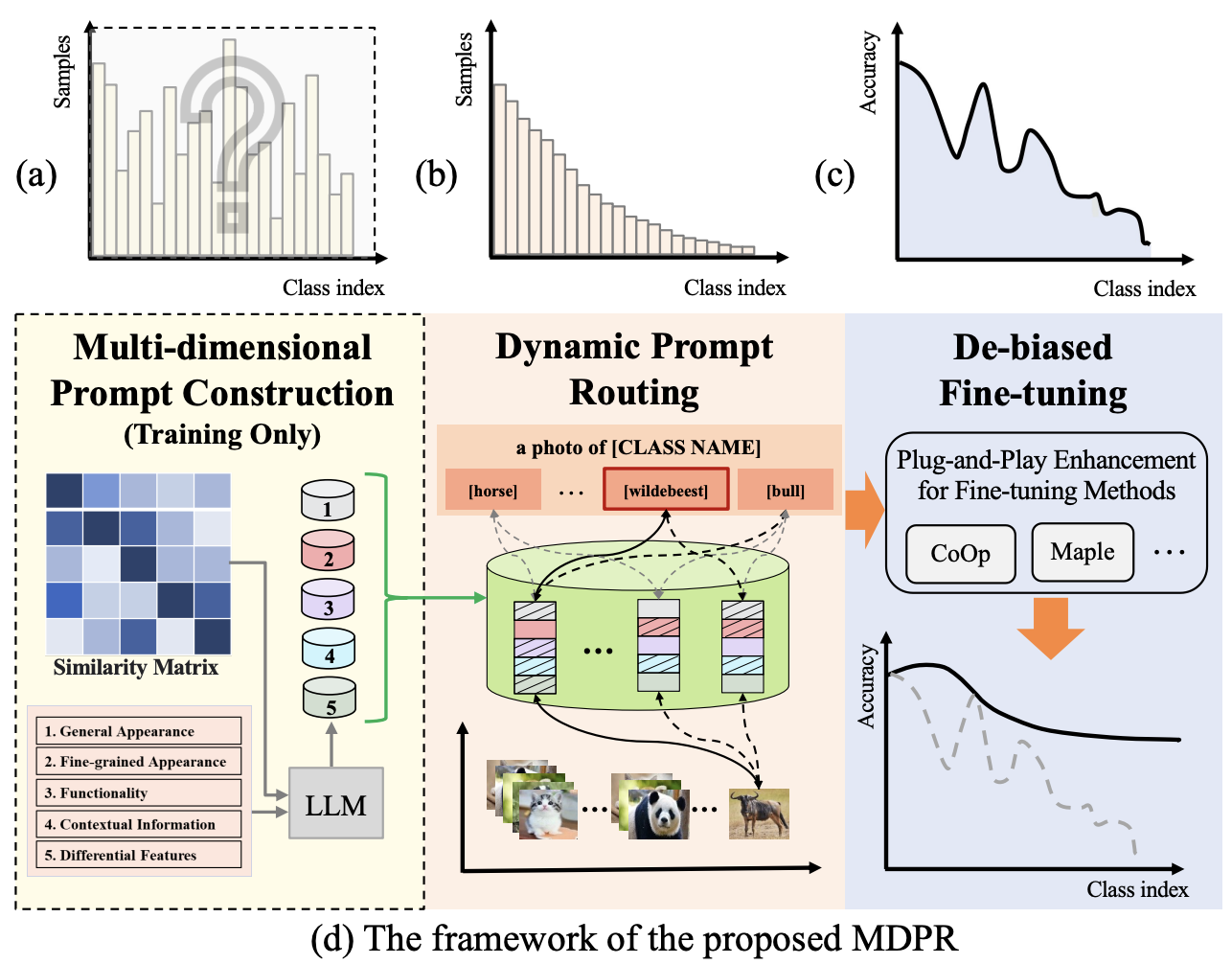 EMNLP
Multimodal RobustConference on Empirical Methods in Natural Language Processing, 2025
EMNLP
Multimodal RobustConference on Empirical Methods in Natural Language Processing, 2025What we do
Learns when to send a prompt to different expert branches, so vision-language tuning stays balanced when long-tailed examples are rare.
-
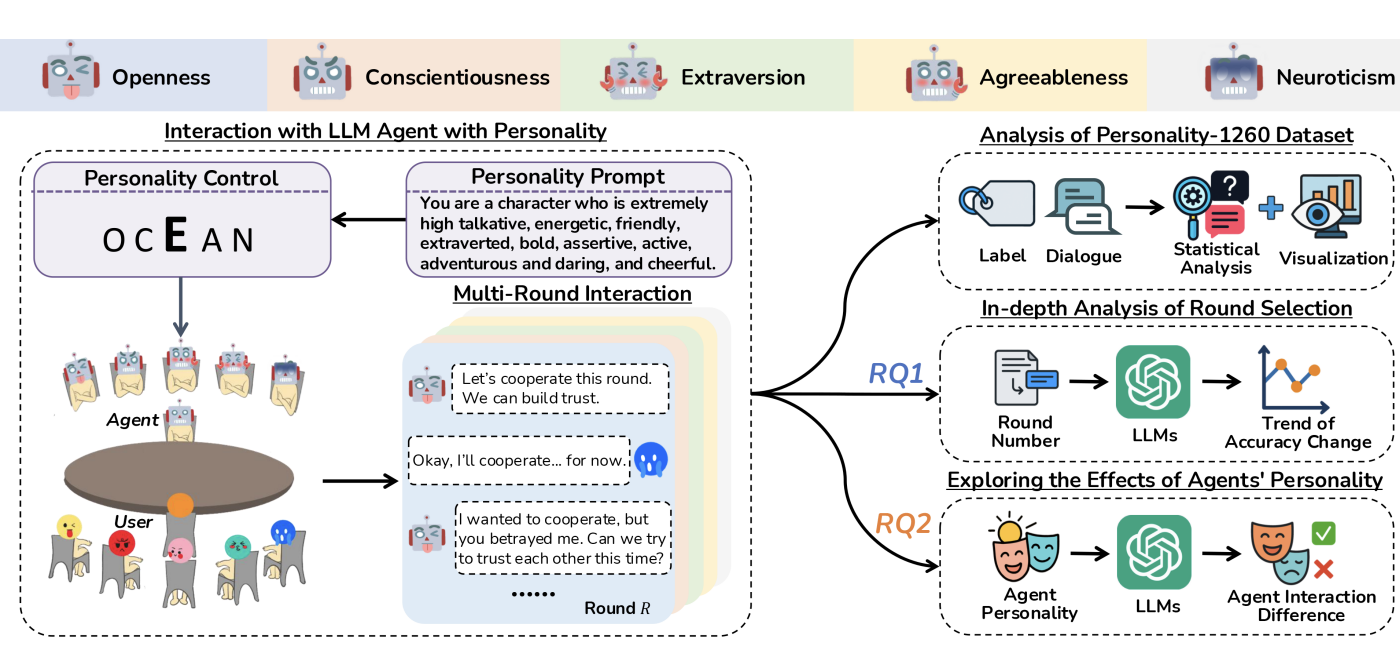 EMNLP
HCIConference on Empirical Methods in Natural Language Processing, 2025
EMNLP
HCIConference on Empirical Methods in Natural Language Processing, 2025What we do
Shows that a shorter dialogue can still capture enough behavioral signal for personality assessment, without making the conversation drag on.
-
 ACM MM
Multimodal HCIACM International Conference on Multimedia, 2025
ACM MM
Multimodal HCIACM International Conference on Multimedia, 2025What we do
Tracks what users are likely trying to select when the target keeps moving, which is useful for dynamic interaction scenes.
-
 JSCI
Multimodal RobustJournal of King Saud University Computer and Information Sciences, 2025
JSCI
Multimodal RobustJournal of King Saud University Computer and Information Sciences, 2025What we do
Rebuilds missing table information by borrowing signals across modalities and reducing the bias that incomplete columns usually introduce.
-
 UIST
Multimodal HCIACM Symposium on User Interface Software and Technology, 2025.
UIST
Multimodal HCIACM Symposium on User Interface Software and Technology, 2025.What we do
Turns EEG patterns into a simple estimate of when people are entering or leaving flow during interactive tasks.
-
 AAAI
MultimodalProceedings of the AAAI Conference on Artificial Intelligence, 2025.
AAAI
MultimodalProceedings of the AAAI Conference on Artificial Intelligence, 2025.What we do
Learns causal links between aligned visual and semantic features so the classifier relies less on spurious correlations.
-
 EPJ Data Science
RobustEPJ Data Science, 2025.
EPJ Data Science
RobustEPJ Data Science, 2025.What we do
Balances learning across common and rare legal motives so long-tailed text classification is less biased.
-
 UbiComp/IMWUT
Multimodal HCIACM international joint conference on Pervasive and Ubiquitous Computing/ Proceedings of the ACM on Interactive, Mobile, Wearable and Ubiquitous Technologies, 2024.
UbiComp/IMWUT
Multimodal HCIACM international joint conference on Pervasive and Ubiquitous Computing/ Proceedings of the ACM on Interactive, Mobile, Wearable and Ubiquitous Technologies, 2024.What we do
Looks for shared flow moments across participants from EEG in ubiquitous-computing settings.
-
 CVM
Multimodal RobustComputational Visual Media, 2024.
CVM
Multimodal RobustComputational Visual Media, 2024.What we do
Uses privileged cross-modal hints during training to learn stronger image features for long-tailed classification.
-
 JOS
MultimodalJournal of Software (软件学报), 2024.
JOS
MultimodalJournal of Software (软件学报), 2024.What we do
Uses extra cross-modal information during training to guide image features toward harder classes.
-
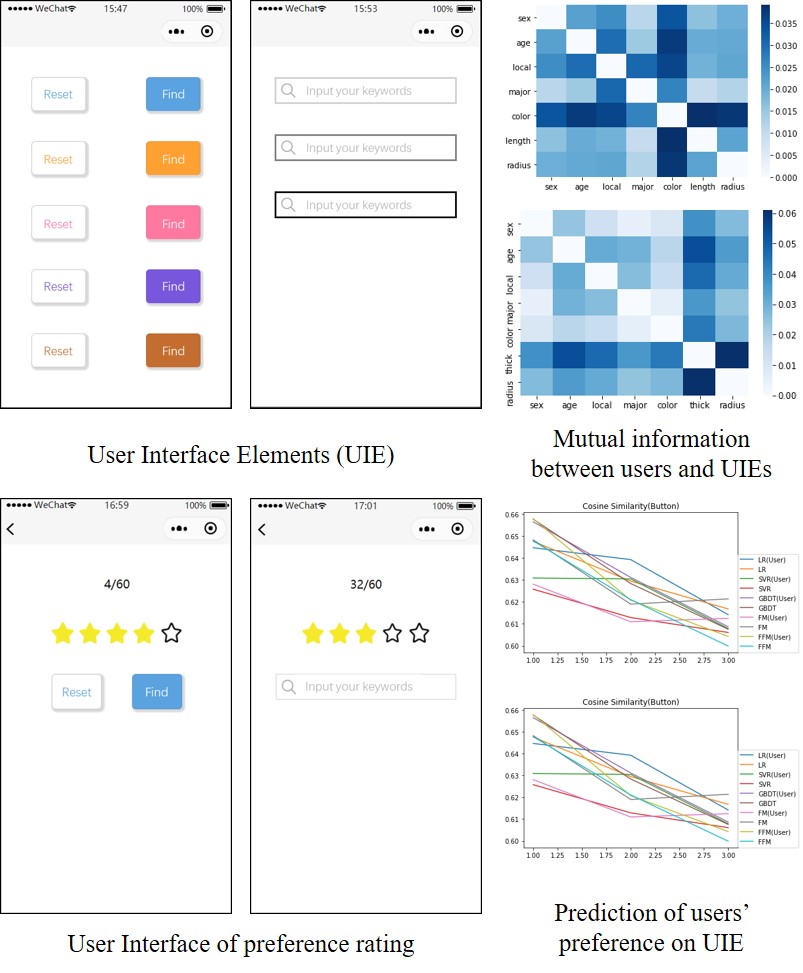 CGI'22
HCIComputer Graphics International Conference, 2022.
CGI'22
HCIComputer Graphics International Conference, 2022.What we do
Predicts which interface elements each person is likely to prefer, enabling more personalized UI recommendations.
-
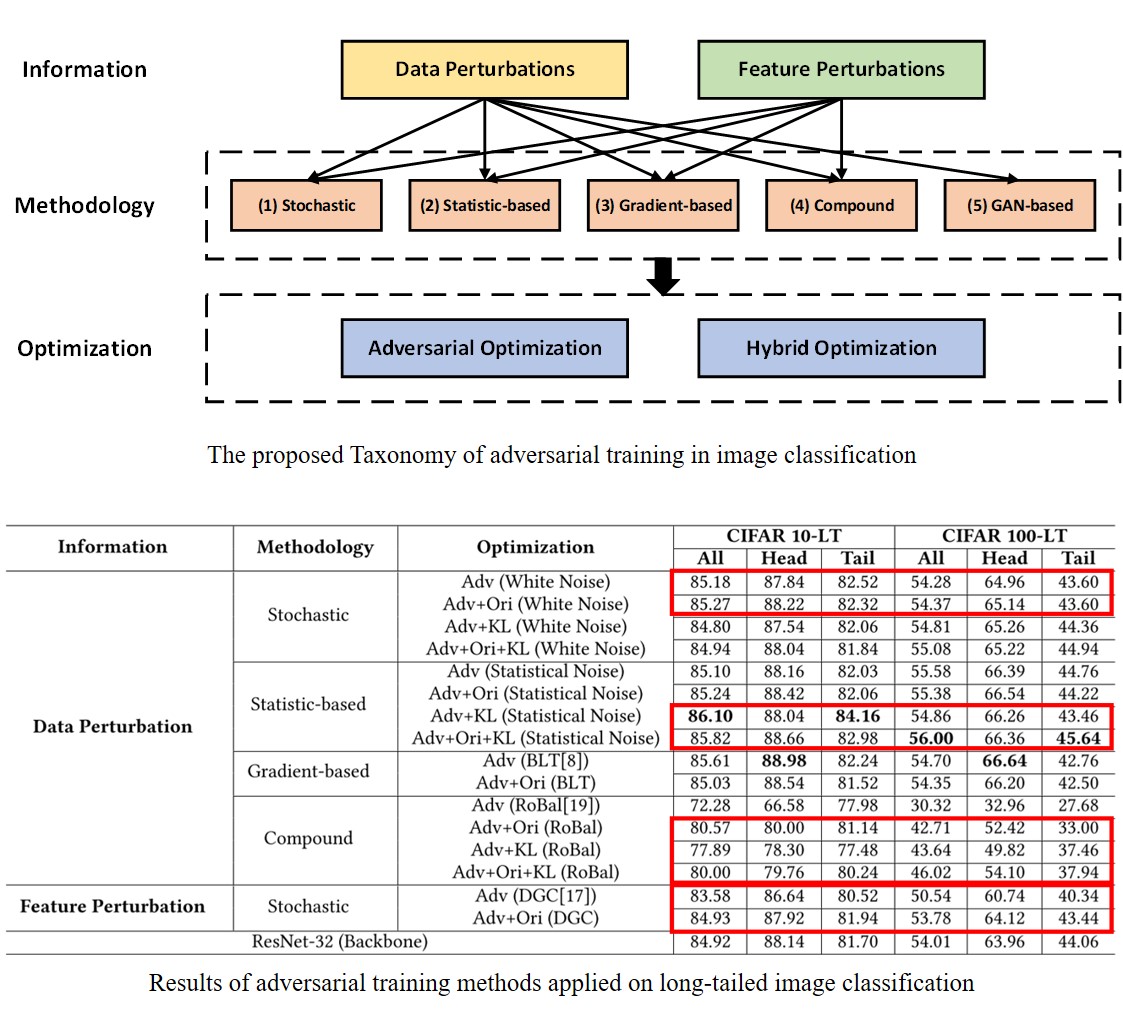 ADVM'21
RobustProceedings of the 1st International Workshop on Adversarial Learning for Multimedia, 2021.
ADVM'21
RobustProceedings of the 1st International Workshop on Adversarial Learning for Multimedia, 2021.What we do
Compares adversarial training choices for long-tailed recognition and identifies the ones that stay stable in practice.
Awards
- [2026] China National Collegiate Software Innovation Competition: National Second Prize, National Third Prize
- [2023] China College Students' Service Outsourcing Innovation and Entrepreneurship Competition: National Second Prize in Track B
- [2022] NICO CHALLENGE (ECCV Workshop): Jury Award in the Mixed-Context Generalization Track
- [2021] ACM MM Watch and Buy: Multimodal Product Identification Challenge: Finals (7/587)
- [2021] Shandong Provincial College Student Big Data and Intelligence Competition: First Prize (1/88)
Services
Conference Reviewers
Journal Reviewers
Committee Service
Students
I have had the pleasure of working with several master's and undergraduate students, either independently or in collaboration with colleagues.
Master Students
- Yongju Jia (since Sep. 2024, co-advised): Long-tailed Classification, Visual-Language Models
- Anran Lu (since Mar. 2026, co-advised): Incomplete Data Representation
Graduated Students
- Baiqiao Zhang (since Jul. 2023): Human-computer Interaction and Natural Language Processing. PhD Student at the Hong Kong University of Science and Technology (HKUST)
- Xiangyu Meng (since Sep. 2024): Cross-modal Learning, Missing Modality Reconstruction. Master Student at University of Electronic Science and Technology of China (UESTC)
- Jiarui Ma (since Nov. 2024): Long-tailed Classification, Visual-Language Models
- Yijia Ma (since May 2025): Multimodal Computing. Now a master's student at the University of Hong Kong (HKU)
- Qing Liu (since Sep. 2025): Human-Machine Conversation and Turn-taking.
Undergraduates
- Lin Zhao (since Mar. 2025): Embodied UAV, Visual-Language Navigation
- Qing Liu (since Aug. 2025): Medical Image Analysis
Powered by Jekyll and Minimal Light theme.